Soundproofing a Rental Property: Practical Upgrades That Reduce Complaints
Noise is a leading cause of tenant disputes in Metro Vancouver. Discover practical, cost-effective soundproofing upgrades for rental properties that reduce complaints and improve tenant retention.
The Impact of Noise on Tenant Retention in BC
In the competitive BC rental market, long term tenant stability is a key driver of profitability. Noise disturbances are a primary reason why tenants choose to move, as persistent sound from neighbours can degrade their quality of life. High turnover rates lead to increased vacancy costs, marketing expenses, and the physical wear and tear associated with moving. By proactively addressing sound transmission, landlords demonstrate a commitment to a high standard of living, which encourages quality tenants to stay longer. Furthermore, reducing noise complaints minimizes the time property managers spend mediating disputes. While BC law requires landlords to provide quiet enjoyment, taking steps beyond the bare minimum can set your property apart in the Metro Vancouver market.
Sealing the Gaps: Doors and Windows
Airborne noise, such as voices or television sounds, often travels through the smallest gaps in a building's envelope. Doors and windows are the most frequent culprits. Installing high quality acoustic seals or heavy duty weatherstripping around door frames can make a noticeable difference for a relatively low cost. For interior doors, consider replacing hollow core doors with solid core alternatives, which have significantly higher mass to block sound. In older Vancouver buildings, windows may also be a weak point for exterior street noise. Adding window inserts or ensuring that caulking is intact can help. These simple maintenance tasks are easy to integrate into a seasonal maintenance checklist for Vancouver rentals to ensure the property remains quiet and energy efficient.
Flooring Upgrades to Dampen Impact Noise
Impact noise, such as footsteps or furniture moving, is a major source of frustration in multi storey buildings. If you are planning renovations that increase your rental property value, flooring is a critical area to address. When installing new laminate or luxury vinyl plank, always use a high quality acoustic underlayment with a high Sound Transmission Class (STC) rating. This layer acts as a shock absorber, preventing vibrations from travelling through the floor joists to the unit below. In areas where hard surfaces are preferred for durability, adding area rugs with thick pads can also provide temporary relief. These upgrades are particularly effective in wood frame buildings common across the Lower Mainland, where sound travels more easily than in concrete structures.
Acoustic Treatments for Shared Walls
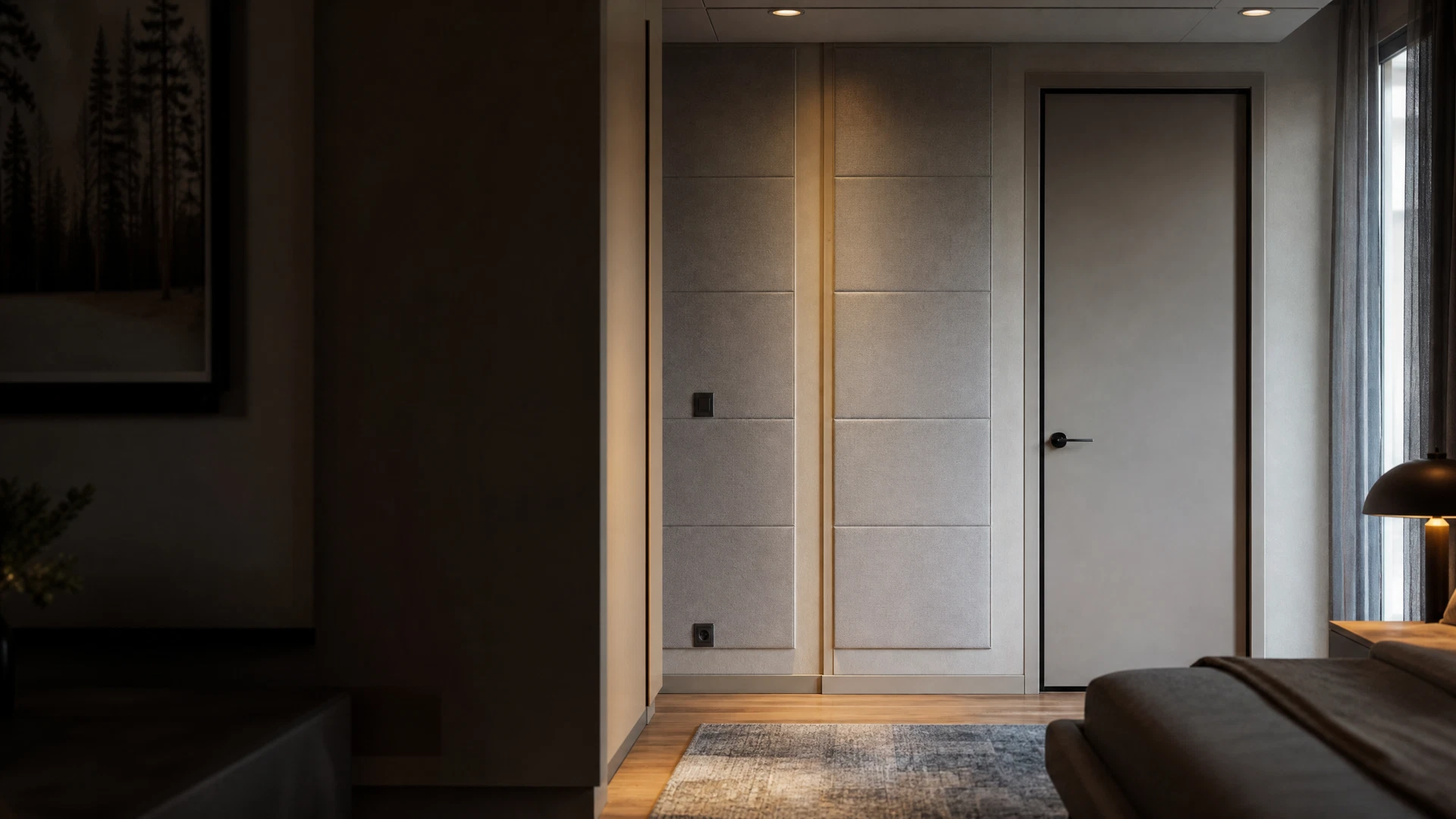
Shared walls in townhomes or older apartments often lack sufficient insulation to block sound effectively. While tearing down drywall to add mineral wool insulation is the most effective method, it is often impractical between tenancies. A less invasive option is the application of acoustic panels or mass loaded vinyl behind a new layer of drywall. For a simpler fix, ensure that electrical outlets on shared walls are sealed with acoustic putty pads, as these are often overlooked paths for sound. When preparing your rental property for new tenants, checking for cracks in the plaster or drywall and sealing them with acoustic sealant can provide a quick and inexpensive boost to the unit's sound privacy.
Managing Tenant Expectations and Communication
Physical upgrades are highly effective, but managing tenant expectations is equally important for reducing complaints. Include a clause in your tenancy agreement regarding quiet hours and the use of floor coverings in high traffic areas. Encourage open communication between neighbours so that minor issues can be resolved before they escalate into formal complaints. Providing tenants with tips on how to reduce their own noise footprint can also foster a more harmonious living environment. Remember that while you are responsible for maintaining the property, you are not always liable for the actions of third parties. However, showing that you have taken reasonable steps to soundproof the unit can be a strong defence if a dispute regarding quiet enjoyment ever reaches the Residential Tenancy Branch.
Frequently Asked Questions
Is soundproofing a legal requirement for BC landlords?
Under the BC Residential Tenancy Act, landlords must provide tenants with quiet enjoyment of their rental unit. While the law does not mandate specific soundproofing STC ratings for older buildings, landlords are responsible for addressing unreasonable noise issues that interfere with a tenant's right to peace and privacy. Taking proactive steps to improve sound insulation can help ensure you meet these legal obligations.
What is the most cost-effective soundproofing upgrade?
The most cost-effective upgrade is typically sealing gaps around doors and windows using acoustic weatherstripping and door sweeps. These materials are inexpensive and easy to install but can significantly reduce the amount of airborne noise entering or leaving a unit. Replacing hollow core interior doors with solid core doors is another high impact, relatively low cost improvement for internal sound control.
Can I charge tenants for soundproofing upgrades?
Generally, landlords cannot charge tenants directly for capital improvements or property upgrades during a tenancy. However, if you perform significant soundproofing renovations between tenancies, you may be able to justify a higher starting rent for the new lease. Always ensure that any rent increases for existing tenants follow the annual provincial limit unless you have received approval for an additional rent increase for capital expenditures.
Free Tools for BC Landlords
Try these free calculators to help with your rental property decisions:
Sources & Further Reading
The following authoritative resources were referenced in preparing this article:
- BC repairs and maintenance(Government of British Columbia)
- PreparedBC emergency planning(Government of British Columbia)

Amir Shojaee
Founder & Managing Director
Licensed Property Manager & REALTOR • MEng, UBC
With over 9 years of experience managing rental properties across Greater Vancouver, Amir brings an analytical, investor-minded approach to property management. Every recommendation is backed by data, every process is documented, and every interaction is handled with the care your investment demands.
Get Property Management Tips
Join landlords across Greater Vancouver who receive our latest articles on property management, BC regulations, and market insights.
No spam. Unsubscribe anytime.
Need help with your property?
Whether you have questions about rent increases, tenant screening, or full-service management, our team is here to help.
Request a CallbackProperty Management Across Greater Vancouver
We provide full-service property management in 16 municipalities across Metro Vancouver and the Fraser Valley. Learn more about our services in your area: