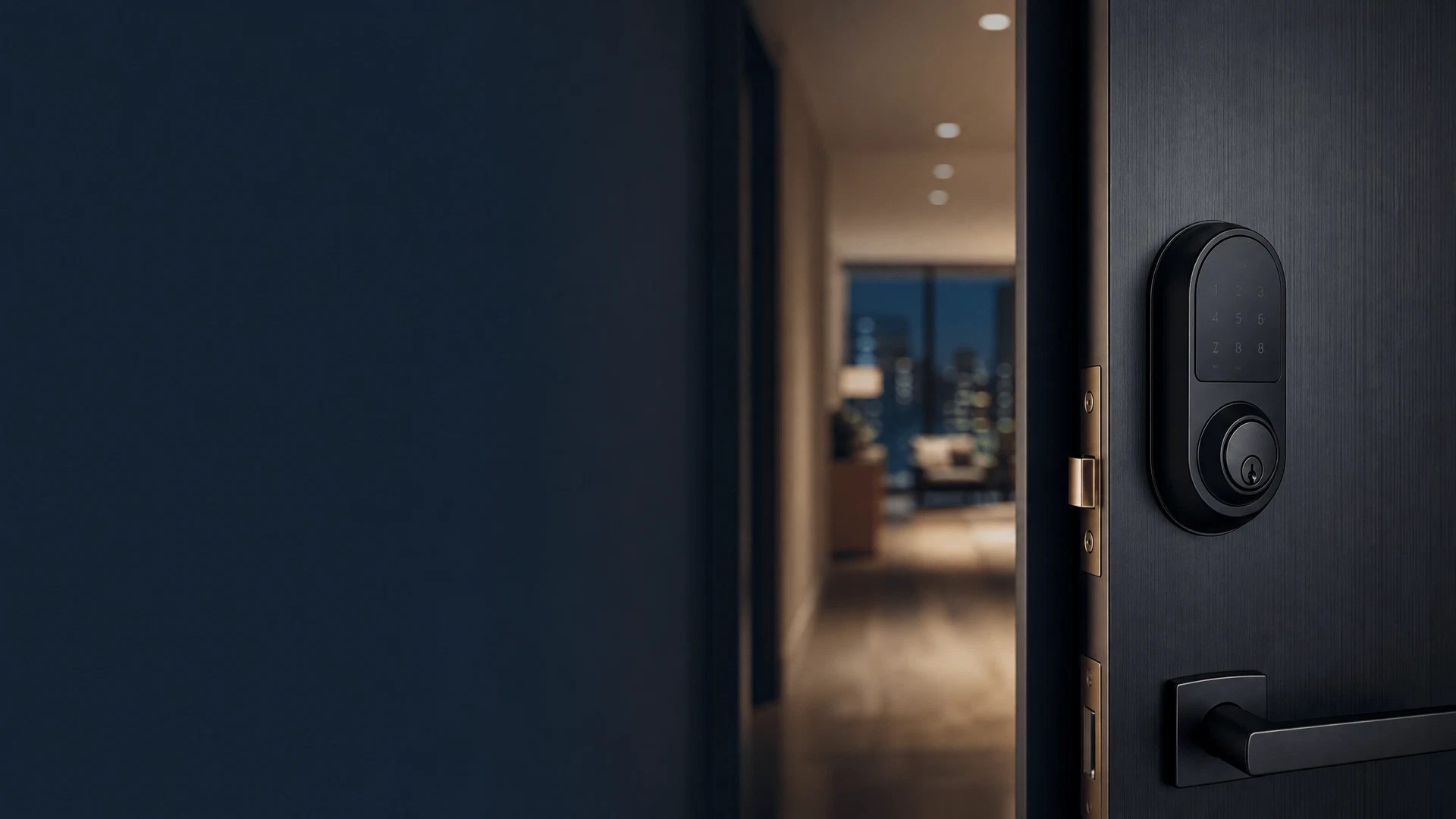
Smart Locks in BC Rental Properties: Access, Notices, and Tenant Privacy
A practical guide to smart locks in BC rentals, including notice rules, privacy safeguards, tenant access, and better operational records.
The Rise of Smart Lock Technology in BC Rentals
The adoption of smart lock technology in British Columbia rental properties has accelerated as landlords seek to streamline operations and enhance security. These devices offer significant benefits, such as eliminating the need for physical key exchanges during move-in or move-out and allowing for remote access management. However, the introduction of digital entry systems does not change the fundamental legal framework governing tenancies in the province. While the hardware is modern, the underlying principles of the Residential Tenancy Act (RTA) remain the primary guide for landlord conduct. Property owners must recognize that technology is a tool for convenience rather than a means to bypass established regulations. Successfully integrating these systems requires a clear understanding of how digital logs and remote capabilities intersect with traditional property management responsibilities and tenant expectations for a secure, private home environment.
Maintaining Lawful Entry and Notice Requirements
A common misconception is that the ability to unlock a door remotely grants a landlord more flexibility regarding entry. In British Columbia, the RTA is very clear: a landlord must provide at least 24 hours of written notice before entering a rental unit, specifying the date, time, and purpose of the visit. This rule applies regardless of whether the landlord uses a physical key or a digital code to gain access. The only exceptions are for genuine emergencies or if the tenant provides explicit consent at the time of entry. Using a smart lock to enter a unit without proper notice is a violation of the tenant's right to quiet enjoyment. Landlords should ensure that any digital access logs reflect compliance with these notice periods. Maintaining a physical backup key is also practical to ensure access if the electronic system fails.
Tenant Privacy and Data Security under PIPA
Smart locks often generate detailed logs of every time a door is locked or unlocked, which constitutes personal information under the Personal Information Protection Act (PIPA). BC landlords are responsible for ensuring that the collection and use of this data comply with provincial privacy standards. Generally, landlords should only collect the minimum amount of information necessary for the security and operation of the property. Constantly monitoring a tenant's entry and exit times through a smart lock app could be considered an invasive and unauthorized use of personal data. Property owners must be transparent about what data is being collected and how it is stored. It is recommended to have a clear privacy policy in place that explains the purpose of the smart lock system and limits access to the logs to authorized personnel only. Protecting this data from unauthorized access is a critical legal and operational requirement.
Operational Best Practices for Smart Lock Implementation
When installing smart locks, landlords should prioritize reliability and ease of use for the tenant. Choosing professional grade hardware that integrates well with property management software can reduce technical friction. It is essential to provide tenants with clear instructions on how to operate the lock, including how to change their individual access codes if the system allows it. Regular maintenance is also necessary, particularly regarding battery life. Landlords should establish a schedule for battery replacement or use systems that provide low battery alerts to the management team. Providing a secondary method of entry, such as a physical key stored in a secure lockbox on site, can prevent lockouts during power outages or technical glitches. These practical steps help ensure that the technology remains a benefit to the tenancy rather than a source of frustration or a potential liability for the property owner.
Navigating the Residential Tenancy Act with New Tech
Integrating smart locks into a rental agreement requires careful drafting of lease clauses to address the specific features of the technology. These clauses should outline the responsibilities for battery replacement, the process for reporting technical issues, and the limitations on the landlord's use of access data. It is important to distinguish between general operational recommendations and strict legal requirements when discussing these topics with tenants. Because the intersection of technology and tenancy law is constantly evolving, landlords and property managers should regularly verify current official requirements through the Residential Tenancy Branch (RTB) and the Office of the Information and Privacy Commissioner (OIPC). Seeking qualified advice is always prudent when dealing with unusual situations or disputes regarding digital access. By staying informed and maintaining open communication with tenants, landlords can leverage smart technology while respecting the legal rights and privacy of those living in their properties.
Frequently Asked Questions
Can a landlord track a tenant's entry and exit times using a smart lock?
While the technology allows for tracking, BC landlords must comply with the Personal Information Protection Act (PIPA). Collecting or monitoring a tenant's daily movements is generally considered an unreasonable invasion of privacy unless there is a specific, documented security reason. Landlords should limit data collection to what is strictly necessary for property management.
Does a smart lock replace the requirement for a physical key in BC?
The Residential Tenancy Act requires landlords to provide tenants with access to the rental unit. While a smart lock can be the primary method of access, it is highly recommended to provide a physical backup key or ensure a reliable emergency override system is in place. This prevents the unit from becoming inaccessible due to electronic failure or battery depletion.
Can a tenant change the smart lock code without the landlord's permission?
In most cases, the tenancy agreement will specify that the landlord must have a means of access for emergencies and inspections. If a tenant changes the code without providing the landlord with the new one, they may be in breach of the agreement. It is best to address code management and emergency access protocols clearly within the written lease.
Free Tools for BC Landlords
Try these free calculators to help with your rental property decisions:
Sources & Further Reading
The following authoritative resources were referenced in preparing this article:
- BC landlord access to rental units(Government of British Columbia)
- OIPC BC landlord and tenant privacy guidance(Office of the Information and Privacy Commissioner for BC)

Amir Shojaee
Founder & Managing Director
Licensed Property Manager & REALTOR • MEng, UBC
With over 9 years of experience managing rental properties across Greater Vancouver, Amir brings an analytical, investor-minded approach to property management. Every recommendation is backed by data, every process is documented, and every interaction is handled with the care your investment demands.
Get Property Management Tips
Join landlords across Greater Vancouver who receive our latest articles on property management, BC regulations, and market insights.
No spam. Unsubscribe anytime.
Need help with your property?
Whether you have questions about rent increases, tenant screening, or full-service management, our team is here to help.
Request a CallbackProperty Management Across Greater Vancouver
We provide full-service property management in 16 municipalities across Metro Vancouver and the Fraser Valley. Learn more about our services in your area: