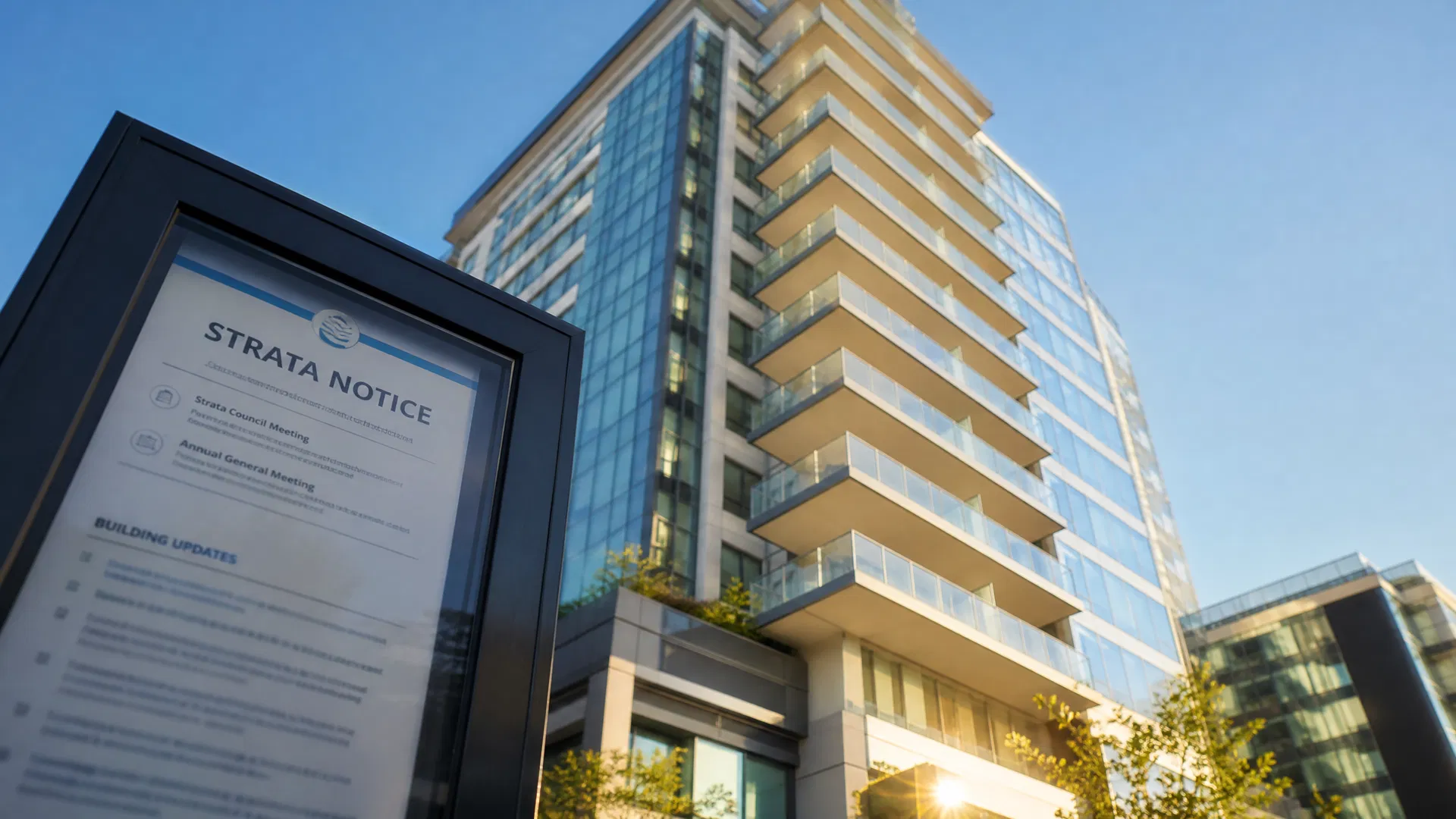
Parking, Storage, and EV Chargers: Add-Ons for BC Rentals
How BC landlords can manage parking stalls, storage lockers, and EV charging as rental amenities with clearer agreements and strata due diligence.
The Value of Amenity Add-Ons in the BC Rental Market
In the competitive British Columbia rental landscape, offering more than just a living space can significantly enhance a property's appeal. Parking stalls, storage lockers, and electric vehicle (EV) chargers have transitioned from luxury features to essential requirements for many urban tenants. By positioning these amenities as strategic add-ons, landlords can attract high-quality tenants who prioritize convenience and long-term utility. Beyond mere attraction, these features often provide a measurable boost to the property's overall return on investment. A dedicated parking spot or a secure locker can be the deciding factor for a tenant choosing between two similar units. However, successfully integrating these amenities requires a clear understanding of market demand and the operational logistics involved in maintaining them. Landlords should view these add-ons as professional service enhancements that require careful documentation and consistent management to ensure they remain assets rather than liabilities.
Navigating Parking Stall Allocations and Agreements
Managing parking in BC rentals requires a nuanced approach, particularly within strata-titled buildings where stalls may be limited common property or assigned by the strata council. It is vital for landlords to verify the exact nature of the parking allocation before promising it to a tenant. The tenancy agreement should explicitly state whether a parking stall is included in the rent or available for an additional monthly fee. If the parking is an add-on, a separate addendum is often the most effective way to outline the specific terms of use, including stall numbers and vehicle restrictions. Landlords must also ensure that tenants are aware of strata bylaws regarding visitor parking and oversized vehicles. Providing clear guidance on these rules helps prevent disputes and ensures that the landlord remains in compliance with strata regulations. Always confirm that the parking arrangement aligns with the latest provincial tenancy guidelines and local municipal bylaws.
Storage Lockers: Maximizing Space and Security
As living spaces in Metro Vancouver and other BC hubs become more compact, the demand for secure storage lockers has grown substantially. For many tenants, having a designated area for seasonal items, bicycles, or sports equipment is a non-negotiable requirement. When offering storage as an add-on, landlords should prioritize security and accessibility. It is important to clearly define what can and cannot be stored in these units to mitigate fire risks and maintain hygiene standards. The tenancy agreement or a dedicated storage addendum should specify that the landlord is not responsible for the loss or damage of stored items, encouraging tenants to maintain their own insurance coverage. Regular inspections of the storage areas can help identify potential issues before they escalate. By providing a well-maintained and secure storage solution, landlords can justify a premium in rent while providing a service that directly addresses the practical needs of modern BC renters.
The Growing Demand for EV Charging Infrastructure
The shift toward electric mobility is rapidly changing the expectations of BC tenants. As more residents adopt electric vehicles, the availability of EV charging infrastructure has become a primary consideration for many renters. Landlords who proactively address this demand can future-proof their investments and appeal to an environmentally conscious demographic. In strata buildings, installing or providing access to EV chargers involves navigating complex approval processes and assessing the building's electrical capacity. It is essential to discuss potential installations with the strata council and understand how user fees or electricity costs will be allocated. For non-strata properties, landlords might consider installing a Level 2 charger as a value-add feature. Regardless of the property type, the terms for EV charging use should be documented in writing, covering maintenance responsibilities and cost-sharing arrangements. Providing these facilities not only attracts tenants but also aligns with provincial goals for sustainable transportation and energy efficiency.
Managing Liability and Maintenance for Rental Add-Ons
Introducing additional amenities like parking, storage, and EV chargers necessitates a robust framework for managing liability and maintenance. Each add-on brings its own set of risks that must be addressed through proper insurance and clear contractual terms. For instance, EV chargers require professional installation and periodic safety checks to ensure they function correctly and safely. Similarly, parking areas must be kept clear of debris and well-lit to prevent accidents. Landlords should clearly communicate which party is responsible for specific maintenance tasks. While the landlord typically handles structural repairs, the tenant may be responsible for keeping their assigned stall or locker clean. Documentation is key; every agreement regarding these add-ons should be in writing and signed by both parties. This professional approach minimizes the likelihood of misunderstandings and provides a clear path for resolution if issues arise. Always consult with a professional to ensure your agreements and insurance policies provide adequate protection.
Frequently Asked Questions
Can I charge a separate fee for a parking stall in BC?
Yes, a landlord and tenant can agree to include parking for an additional fee. This should be clearly documented in the tenancy agreement or a separate addendum. If the parking is provided after the start of the tenancy, both parties must agree to the new terms in writing.
Who is responsible for the electricity costs of an EV charger?
The responsibility for electricity costs depends on the agreement between the landlord and the tenant. In many cases, the tenant pays for the electricity used, either through a separate meter or a flat monthly fee agreed upon in the lease addendum. In strata buildings, the strata may also have specific rules for cost recovery.
What happens if a tenant uses a storage locker for prohibited items?
The tenancy agreement or storage addendum should clearly list prohibited items, such as flammable materials or perishable goods. If a tenant violates these terms, the landlord should provide a written notice requesting compliance. Persistent violations may be grounds for terminating the storage agreement or, in severe cases, the tenancy itself.
Free Tools for BC Landlords
Try these free calculators to help with your rental property decisions:
Sources & Further Reading
The following authoritative resources were referenced in preparing this article:
- BC strata parking and storage(Government of British Columbia)
- BC strata electric vehicle charging(Government of British Columbia)

Amir Shojaee
Founder & Managing Director
Licensed Property Manager & REALTOR • MEng, UBC
With over 9 years of experience managing rental properties across Greater Vancouver, Amir brings an analytical, investor-minded approach to property management. Every recommendation is backed by data, every process is documented, and every interaction is handled with the care your investment demands.
Get Property Management Tips
Join landlords across Greater Vancouver who receive our latest articles on property management, BC regulations, and market insights.
No spam. Unsubscribe anytime.
Need help with your property?
Whether you have questions about rent increases, tenant screening, or full-service management, our team is here to help.
Request a CallbackProperty Management Across Greater Vancouver
We provide full-service property management in 16 municipalities across Metro Vancouver and the Fraser Valley. Learn more about our services in your area: