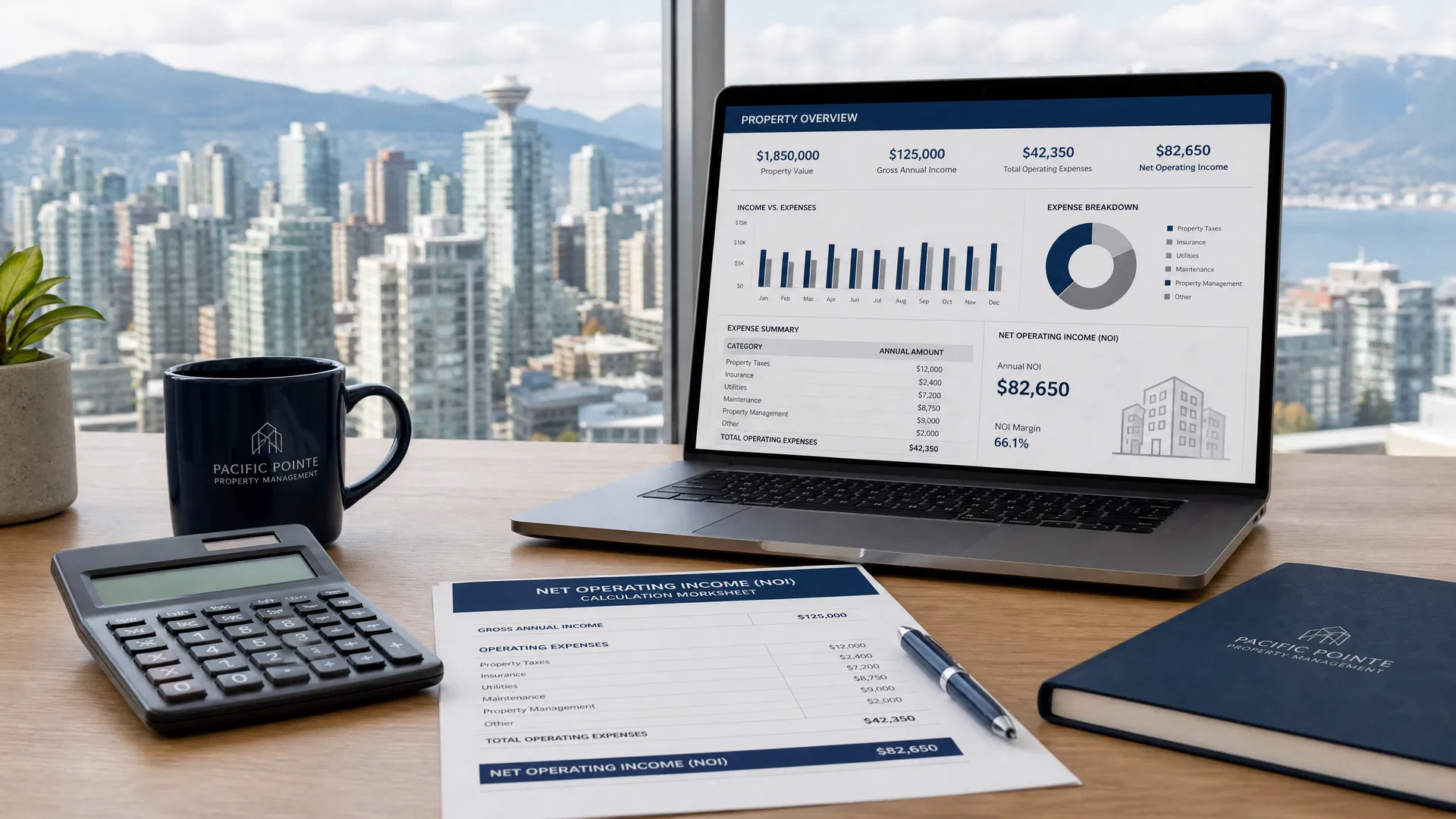
How to Set the Right Rent Price Using Comparable Market Analysis
Learn how to set the perfect rent price for your Vancouver property using a Comparable Market Analysis (CMA) to maximize income and minimize vacancy.
What is a Comparable Market Analysis (CMA) for Rentals?
A Comparable Market Analysis (CMA) is a fundamental tool used by real estate professionals and savvy landlords to determine the optimal rent price for a property. Unlike a formal appraisal, a CMA evaluates current market conditions by comparing your property to similar units, known as "comps", that are currently listed or have recently been rented in your specific area. For landlords in Metro Vancouver and the Fraser Valley, where the rental market can shift rapidly, relying on a CMA ensures your pricing strategy is grounded in real-time data rather than guesswork. By analyzing these comparables, you can identify the sweet spot that maximizes your rental income while minimizing costly vacancy periods. A well-executed CMA takes the emotion out of pricing, providing a clear, objective view of what tenants are actually willing to pay in today's competitive landscape.
Selecting the Right Comparable Properties
The accuracy of your CMA depends entirely on the quality of the comparables you select. To get a true picture of your property's market value, you need to find units that closely mirror your own. Start with location, in Metro Vancouver, prices can vary dramatically not just between cities, but from one neighborhood to the next. A condo in Yaletown will command a different price than a similar unit in Surrey City Centre. Next, look at size and layout, focusing on the number of bedrooms, bathrooms, and overall square footage. Age and condition are also critical factors; a brand-new build with modern finishes cannot be directly compared to a 30-year-old unrenovated building. Finally, consider amenities. Does the building offer a gym, pool, or concierge? Does the unit include parking, in-suite laundry, or air conditioning? These features significantly impact a tenant's willingness to pay.
Where to Find Reliable Rental Data
Gathering accurate data is the next crucial step in your CMA process. While professional property managers have access to proprietary databases, independent landlords can utilize several public resources. Platforms like Craigslist, liv.rent, and Rentals.ca are excellent for viewing active listings and understanding what your competition is currently asking. However, remember that asking rent is not always the final rented price. For broader market trends, the Canada Mortgage and Housing Corporation (CMHC) publishes comprehensive annual Rental Market Reports that provide valuable insights into average rents and vacancy rates across Metro Vancouver. Additionally, keeping an eye on local news and reports from the BC Financial Services Authority (BCFSA) can help you stay informed about regulatory changes and broader economic factors influencing the rental market.
Adjusting for Differences and Seasonal Trends
No two properties are exactly alike, which means you will need to make adjustments to your comparables to arrive at an accurate price. If a comp has a feature your property lacks, such as a second parking spot or a better view, you must subtract value from that comp to align it with your unit. Conversely, if your property boasts superior upgrades, you can add value. It is also essential to factor in seasonal pricing patterns. In Vancouver, the rental market typically peaks in the late summer and early fall, driven by students returning to university and professionals relocating. During these months, demand is high, and you may be able to command a premium. In contrast, the winter months are generally slower, and you might need to price slightly more competitively to attract quality tenants quickly.
The Risks of Pricing Too High or Too Low
Setting the wrong rent price carries significant financial consequences. If you price your unit too high, you risk extended vacancy periods. In the Metro Vancouver market, every month your property sits empty represents a substantial loss of income, often more than you would have gained by holding out for a higher rent. Overpriced units also tend to attract less qualified applicants who may have been rejected elsewhere. On the other hand, pricing too low means leaving money on the table. While you may secure a tenant quickly, you will be locked into that lower rate, and under the BC Residential Tenancy Act (RTA), you are strictly limited by the annual allowable rent increase percentage. This makes it incredibly difficult to catch up to market rates once a tenancy has begun.
How Professional Property Managers Use CMA
Professional property management companies, like Prela Property Management, utilize advanced CMA techniques to optimize returns for their clients. Licensed by the BCFSA, these professionals have access to extensive historical data, real-time market analytics, and a deep understanding of hyper-local trends across Metro Vancouver and the Fraser Valley. They don't just look at active listings; they analyze actual leased prices and days on market to pinpoint the exact value of a unit. Furthermore, a professional property manager knows when to adjust the rent mid-listing if the market isn't responding as expected. By leveraging their expertise and comprehensive data, they ensure your property is priced competitively from day one, attracting high-quality tenants while maximizing your long-term investment yield.
Frequently Asked Questions
What is a Comparable Market Analysis (CMA) for a rental property?
A CMA is a detailed evaluation of similar rental properties in your area to determine the optimal rent price. It looks at active listings and recently rented units with comparable size, age, location, and amenities to gauge current market value.
How often should I review my rental pricing?
You should review your pricing strategy whenever you have a vacancy, or annually if you have long-term tenants. Keep in mind that under the BC Residential Tenancy Act, rent can only be increased once every 12 months, and only by the allowable percentage set by the province.
Why shouldn't I just set the rent as high as possible?
Overpricing your rental can lead to extended vacancy periods, which often costs more in lost income than you would gain from a slightly higher rent. It may also attract less qualified tenants or lead to higher turnover rates.
Free Tools for BC Landlords
Try these free calculators to help with your rental property decisions:
Sources & Further Reading
The following authoritative resources were referenced in preparing this article:
- BC Residential Tenancy Branch(Government of British Columbia)
- CMHC Rental Market Reports(Canada Mortgage and Housing Corporation)
- BCFSA Rental Property Management(BC Financial Services Authority)

Amir Shojaee
Founder & Managing Director
Licensed Property Manager & REALTOR • MEng, UBC
With over 9 years of experience managing rental properties across Greater Vancouver, Amir brings an analytical, investor-minded approach to property management. Every recommendation is backed by data, every process is documented, and every interaction is handled with the care your investment demands.
Get Property Management Tips
Join landlords across Greater Vancouver who receive our latest articles on property management, BC regulations, and market insights.
No spam. Unsubscribe anytime.
Need help with your property?
Whether you have questions about rent increases, tenant screening, or full-service management, our team is here to help.
Request a CallbackProperty Management Across Greater Vancouver
We provide full-service property management in 16 municipalities across Metro Vancouver and the Fraser Valley. Learn more about our services in your area: