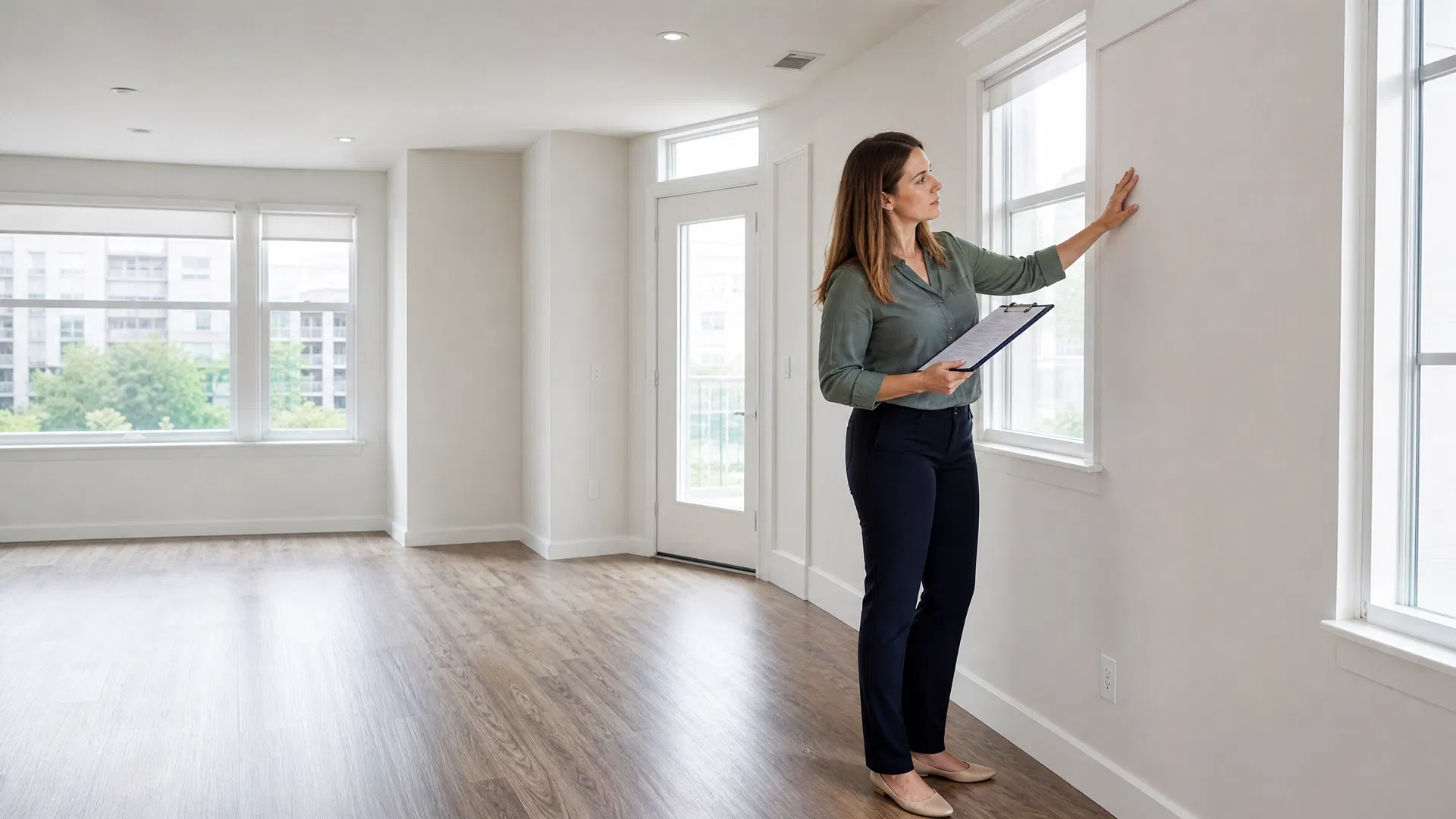
The Complete Guide to Move-In and Move-Out Inspections in BC
Master the move-in and move-out inspection process in BC to protect your rental property. Learn RTB requirements, timing rules, and how to safeguard your security deposit claims in Vancouver.
The Importance of the Move-In Inspection in BC
Conducting a thorough move-in inspection in BC is one of the most critical steps for landlords and property managers to establish a successful tenancy. Under the Residential Tenancy Act, landlords are legally required to complete a Condition Inspection Report before a new tenant moves in. This foundational document serves as a baseline record of the property's state, protecting both the property owner and the tenant from future disagreements. For property management companies operating in the fast-paced Metro Vancouver real estate market, skipping this step can lead to significant financial losses. Without a properly executed move-in inspection, landlords forfeit their right to claim any deductions from the tenant's security deposit for damages at the end of the lease. By meticulously documenting the condition of walls, appliances, flooring, and fixtures, landlords create a transparent relationship with their tenants from day one. A comprehensive move-in inspection in BC not only complies with provincial regulations but also sets a professional tone, demonstrating that the property is well-maintained and that the landlord takes their responsibilities seriously.
Timing Rules for the Condition Inspection Report
The timing of condition inspections is strictly regulated by the BC Residential Tenancy Branch (RTB), and failing to adhere to these rules can invalidate a landlord's claims. A move-in inspection must be completed while the rental unit is empty, either on the day the tenancy begins or on another mutually agreed-upon date before the tenant moves their belongings into the space. Similarly, the move-out inspection must occur after the tenant has removed all their possessions and cleaned the unit, but before the new tenant takes possession. Landlords must offer the tenant at least two opportunities to participate in the inspection. If the tenant is unavailable for the first proposed time, the landlord must provide a Notice of Final Opportunity to Schedule a Condition Inspection using the official RTB form. In bustling areas like downtown Vancouver or Surrey, coordinating these times can be challenging, but strict adherence to the timeline is essential. Completing the Condition Inspection Report at the correct time ensures that any damages noted are accurately attributed to the outgoing tenant, safeguarding the property owner's investment.
What to Document During a Move-Out Inspection in Vancouver
A comprehensive move-out inspection in Vancouver requires meticulous attention to detail to accurately assess any changes in the property's condition. Landlords must systematically evaluate every room, comparing the current state to the original Condition Inspection Report completed at move-in. It is essential to document the condition of high-wear areas such as hardwood floors, carpets, and painted walls, distinguishing between normal wear and tear and actual damage. In Metro Vancouver's damp climate, checking for signs of mold, mildew, or water damage around windows and in bathrooms is particularly crucial. Appliances should be tested to ensure they are in working order, and the cleanliness of the unit must be evaluated against the standard required by the Residential Tenancy Act. Every scratch, dent, or stain must be recorded in the official RTB Condition Inspection Report. By thoroughly documenting these details, property managers can clearly justify any necessary deductions from the security deposit, ensuring that the property is restored to its optimal condition for the next tenant while remaining fully compliant with BCFSA and RTB guidelines.
Photography Best Practices for Property Managers
While the written Condition Inspection Report is a legal requirement in British Columbia, supplementing it with high-quality photographs is a best practice that provides undeniable visual evidence of a rental unit's state. Property managers should take clear, well-lit photos of every room from multiple angles during both the move-in and move-out inspections. It is important to capture wide shots that show the overall condition of the space, as well as close-up images of specific defects, such as scratches on countertops, stains on carpets, or damage to appliances. To ensure the photographs are legally robust in the event of a dispute, they should be date-stamped and securely stored alongside the digital or physical inspection report. In the competitive Metro Vancouver rental market, utilizing digital inspection tools that automatically integrate photos into the report can streamline the process and enhance accuracy. These visual records are invaluable during Residential Tenancy Branch dispute resolution hearings, as they eliminate ambiguity and provide objective proof of the property's condition, thereby protecting the landlord's right to claim damages from the security deposit.
Tenant Signature Requirements and Avoiding Disputes
Securing the tenant's signature on the Condition Inspection Report is a vital step in finalizing the inspection process and preventing future disputes. Both the landlord and the tenant must sign the document during the move-in and move-out inspections to acknowledge that the recorded condition accurately reflects the state of the rental unit. If a tenant disagrees with the landlord's assessment during the move-out inspection Vancouver process, they have the right to note their disagreement directly on the form before signing. It is crucial for landlords to provide the tenant with a copy of the completed report within seven days of the move-in inspection and within fifteen days of the move-out inspection. Failure to provide these copies can extinguish the landlord's right to claim against the security deposit. By maintaining open communication, using the official RTB forms, and ensuring all signature requirements are met, property managers can significantly reduce the likelihood of contentious disputes. Clear documentation and mutual agreement foster a transparent landlord-tenant relationship, which is essential for successful property management in British Columbia.
Consequences of Skipping the Condition Inspection Report
The consequences of skipping or improperly completing a Condition Inspection Report in British Columbia are severe and heavily favor the tenant. According to the Residential Tenancy Act, if a landlord fails to conduct the move-in or move-out inspection, or does not provide the tenant with a copy of the report within the mandated timeframes, the landlord automatically loses the right to claim any deductions from the tenant's security or pet damage deposit. This means that even if the tenant causes significant damage to the Vancouver rental property, the landlord must return the deposit in full and pursue a separate, often lengthy, dispute resolution process to recover repair costs. Furthermore, without the baseline established by the move-in inspection BC report, proving that the tenant caused the damage becomes incredibly difficult. For property investors and management companies, this oversight can result in thousands of dollars in out-of-pocket repair expenses. Diligently completing the inspection process is not just a regulatory formality; it is a fundamental risk management strategy that protects the financial viability of the rental investment.
Frequently Asked Questions
What happens if a tenant refuses to participate in the move-out inspection in BC?
If a tenant refuses to participate after being offered two opportunities, including a formal Notice of Final Opportunity to Schedule a Condition Inspection, the landlord can complete the inspection without them. The landlord retains the right to claim against the security deposit, while the tenant may lose their right to the return of the deposit.
Can a landlord use their own inspection form instead of the RTB Condition Inspection Report?
While landlords can use their own forms or digital inspection tools, the document must contain all the standard information required by the Residential Tenancy Regulation. It is highly recommended to use the official RTB-27 form to ensure full compliance with BC tenancy laws and avoid potential issues during dispute resolution.
How long does a landlord have to provide a copy of the Condition Inspection Report to the tenant?
Under the BC Residential Tenancy Act, a landlord must provide the tenant with a copy of the move-in inspection report within seven days of completing the inspection. For the move-out inspection, the copy must be provided within fifteen days.
Free Tools for BC Landlords
Try these free calculators to help with your rental property decisions:
Sources & Further Reading
The following authoritative resources were referenced in preparing this article:
- BC Government: Condition Inspections(Government of British Columbia)
- Residential Tenancy Act(BC Laws)
- RTB-27 Condition Inspection Report Form(Residential Tenancy Branch)

Amir Shojaee
Founder & Managing Director
Licensed Property Manager & REALTOR • MEng, UBC
With over 9 years of experience managing rental properties across Greater Vancouver, Amir brings an analytical, investor-minded approach to property management. Every recommendation is backed by data, every process is documented, and every interaction is handled with the care your investment demands.
Get Property Management Tips
Join landlords across Greater Vancouver who receive our latest articles on property management, BC regulations, and market insights.
No spam. Unsubscribe anytime.
Need help with your property?
Whether you have questions about rent increases, tenant screening, or full-service management, our team is here to help.
Request a CallbackProperty Management Across Greater Vancouver
We provide full-service property management in 16 municipalities across Metro Vancouver and the Fraser Valley. Learn more about our services in your area: